PROJECT OVERVIEW
Project Type: Historic and Architectural Survey
Lead Organizations: Historic Salem, Inc. + Greater Endicott Street Neighborhood Association (GESNA)
Partner: Massachusetts Historical Commission
Funding: Federal Survey & Planning Grant (via the Massachusetts Historical Commission) and neighborhood fundraising
Scope: Documentation of approximately 180 historic and cultural resources
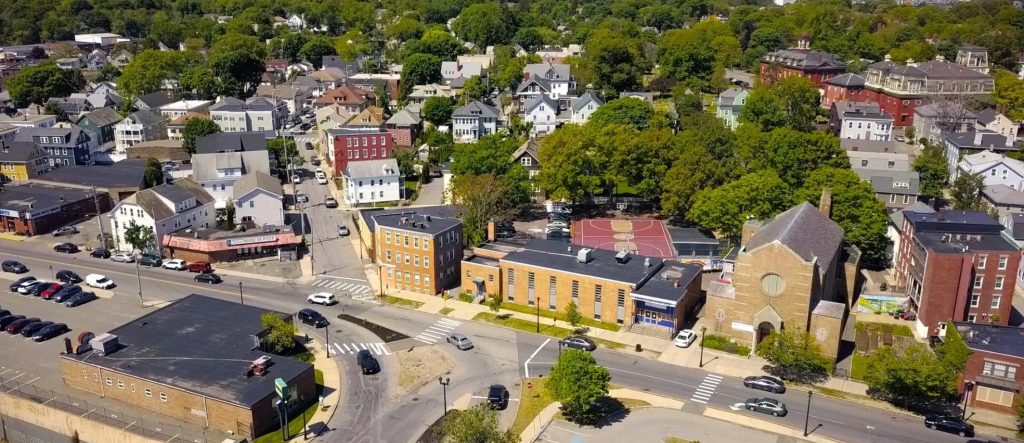
Historic Salem, Inc. (HSI) is working with the Greater Endicott Street Neighborhood Association (GESNA) to complete a comprehensive historic and architectural survey of the Greater Endicott Street Neighborhood in Salem.
The project will document approximately 180 buildings and cultural resources and evaluate the area and selected properties for eligibility for the National Register of Historic Places.
The survey will follow standards established by the Massachusetts Historical Commission (MHC) and the Secretary of the Interior’s Guidelines for Historic Preservation. Once completed, the project will produce updated building inventory forms, historic context research, and recommendations for properties and areas that may qualify for historic designation.
Funding for the survey includes a Federal Survey & Planning grant administered through MHC along with significant private fundraising by neighborhood residents. The project reflects a strong partnership between local residents and preservation advocates committed to documenting the neighborhood’s history.
WHY IT MATTERS
The Greater Endicott Street Neighborhood is one of Salem’s historically layered residential areas.
Much of the neighborhood developed following the Great Salem Fire of 1914 and reflects the city’s recovery and growth during the early twentieth century. Over time the area became home to multiple immigrant communities, including an important African American neighborhood in the 18th and early 19th centuries followed by a strong Italian-American community whose institutions, businesses, and social networks helped shape the area’s identity.
Despite this rich history, many of the neighborhood’s buildings and cultural resources have never been fully documented using current historic preservation standards. Completing a professional survey will help ensure that the neighborhood’s architecture, community history, and cultural significance are properly recorded.
HSI has supported this project because thorough documentation is often the first step toward preservation planning. Survey work can inform future planning decisions, help identify properties that may be eligible for historic recognition, and provide a stronger foundation for understanding how redevelopment proposals may affect historically significant places.
HSI continues to work with neighborhood leaders and project partners to advance the survey so that this important chapter of Salem’s history can be documented and preserved. The project is currently moving through the grant administration and consultant selection steps with MHC.