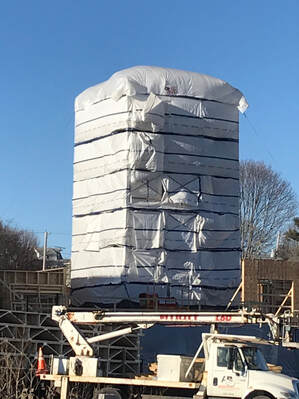
This elevator tower wrapped in building wrap perfectly illustrates something that all buildings, old and new, have in common – stack effect. Cold air is more dense and sinks to the earth, creating the indents on the lower portion of the building wrap. Then as the space warms up the air, it rises, creating the billowing effect at the top. Also, near the middle of the structure is the neutral pressure plane, where inside and outside pressures will cancel each out out.
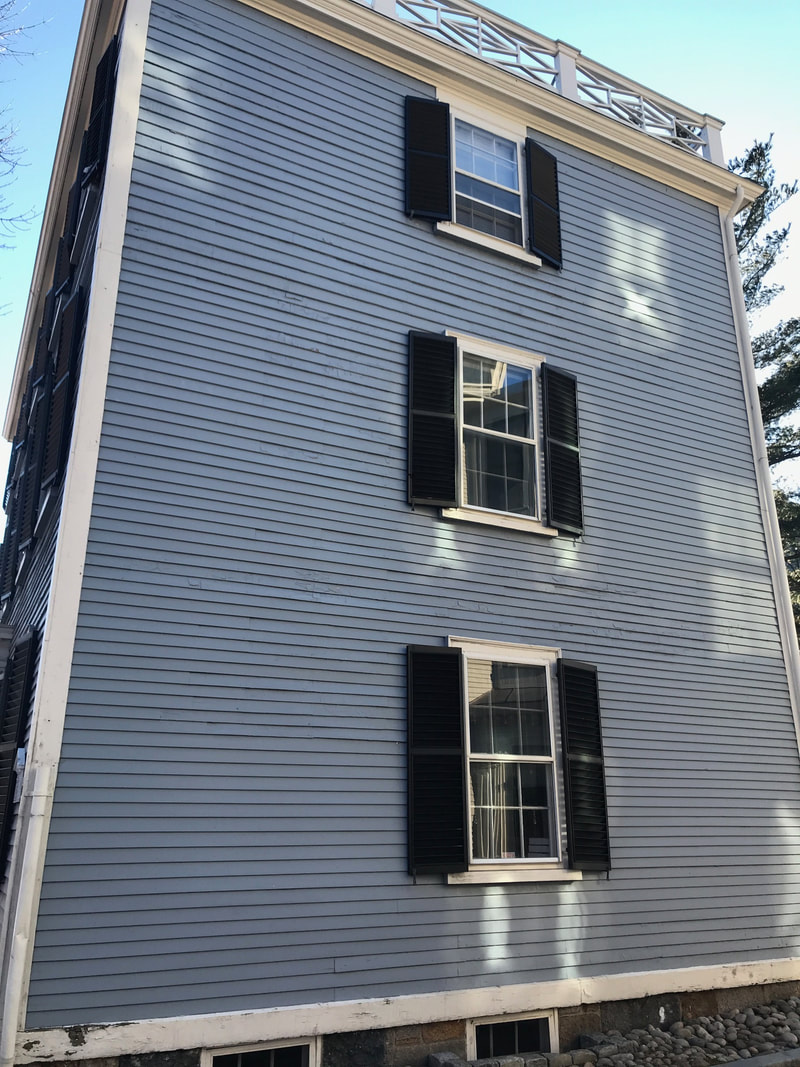
The Bowditch House, like any other vertical structure, is also subject to the stack effect in cold weather. When tightening up a house, one might be tempted to think of the windows as the air leakage culprit, but in actuality, stack effect requires that we look high and low – the basement and the attic.
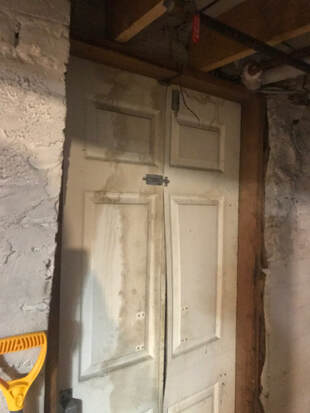

Infiltration of cold air happens primarily in the basement. Look out for large bypasses like a bulkhead door, but also wire and plumbing penetrations through the sill or rim joist.
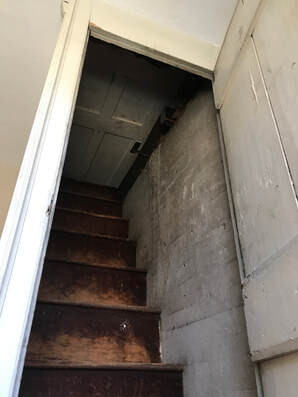
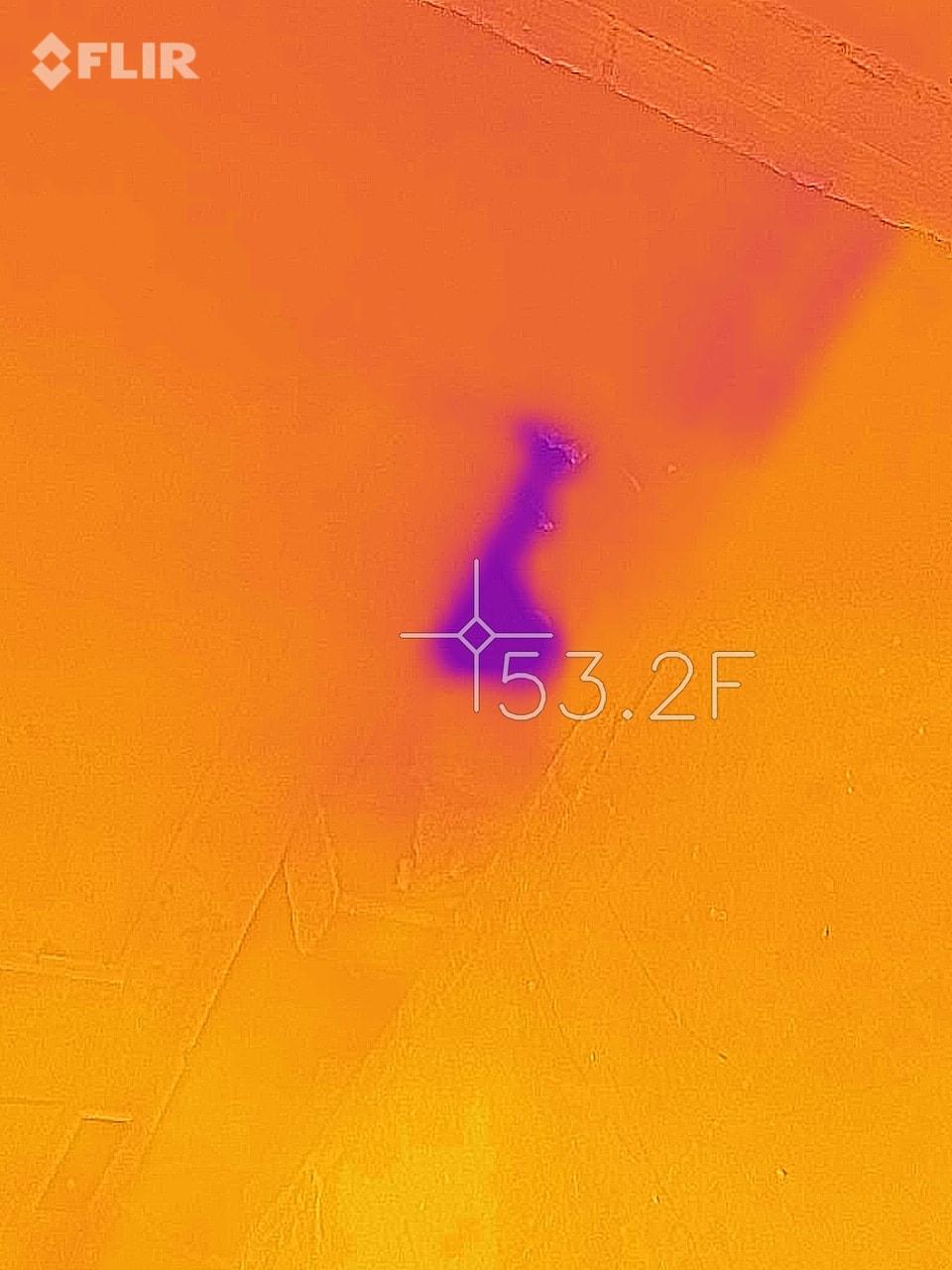
Exfiltration of warm air happens mostly at the attic floor. This photo shows the walk-up hatch to the attic at the Bowditch House, which is a major bypass for warm air to escape.